
Don’t Drama. Level Up.

(inspired by Tony Robbins’ Unlimited Power)

“Leadership isn't about getting a seat at the table. It's about being the person who builds the table."
Your success isn't determined by external problems, but by your internal state and the goals you set. Don't just react to problems; reframe them to be inspiring challenges.
As a Finance Manager at the BI company, I was supposed to be a master of my domain. But one month, everything started to crumble. Invoices were delayed, cash flow was tightening like a knot, and my team was on the verge of a collective burnout. The air in the office was thick with frustration and the kind of quiet panic that makes you want to hide under your desk.
I was getting tired of the daily drama. We were a team of brilliant people, but we were acting like victims of our workload. We were “drowning in backlogs” and “swamped with overdue accounts.” We had a problem, and we were letting it define us.
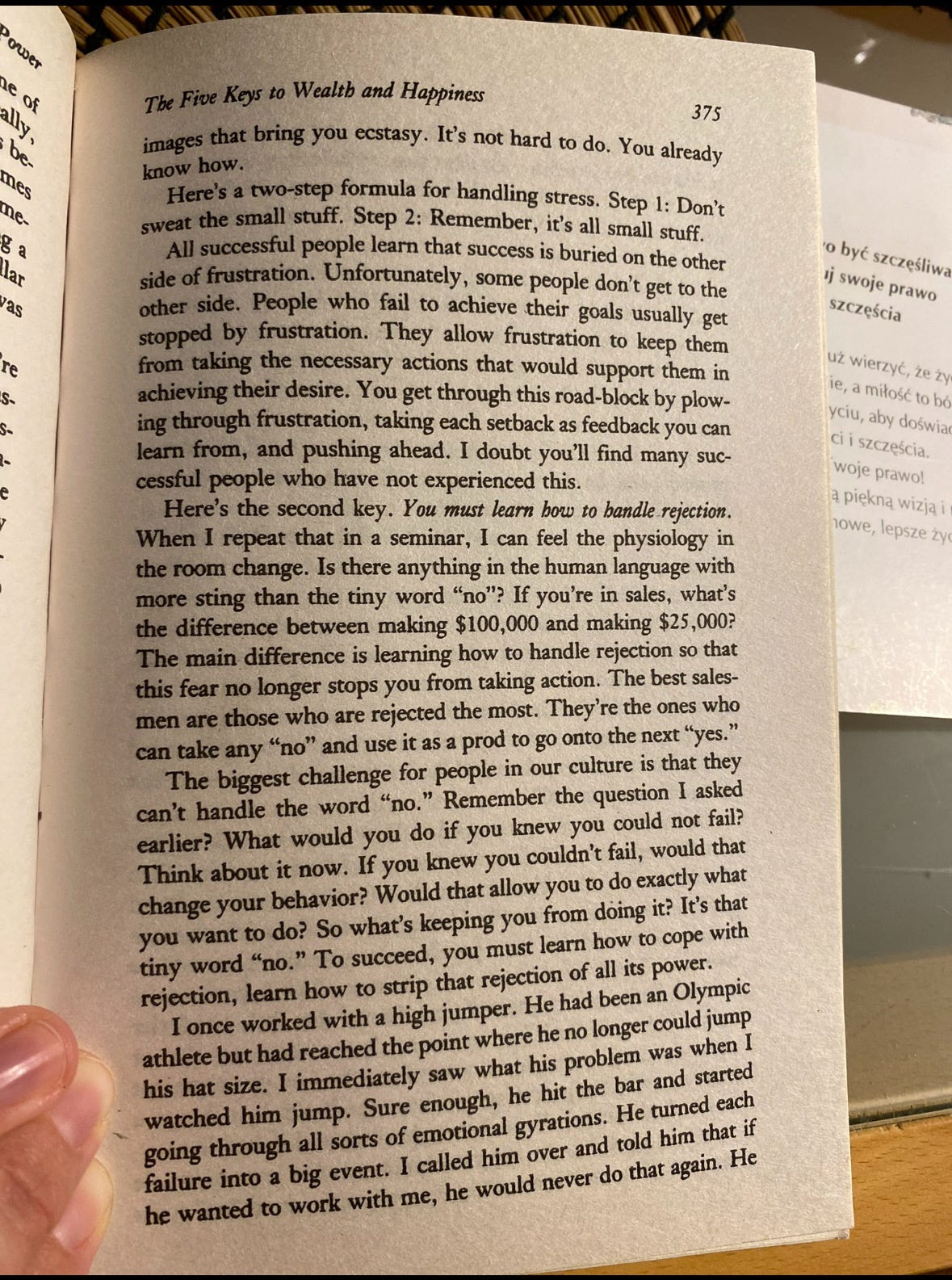
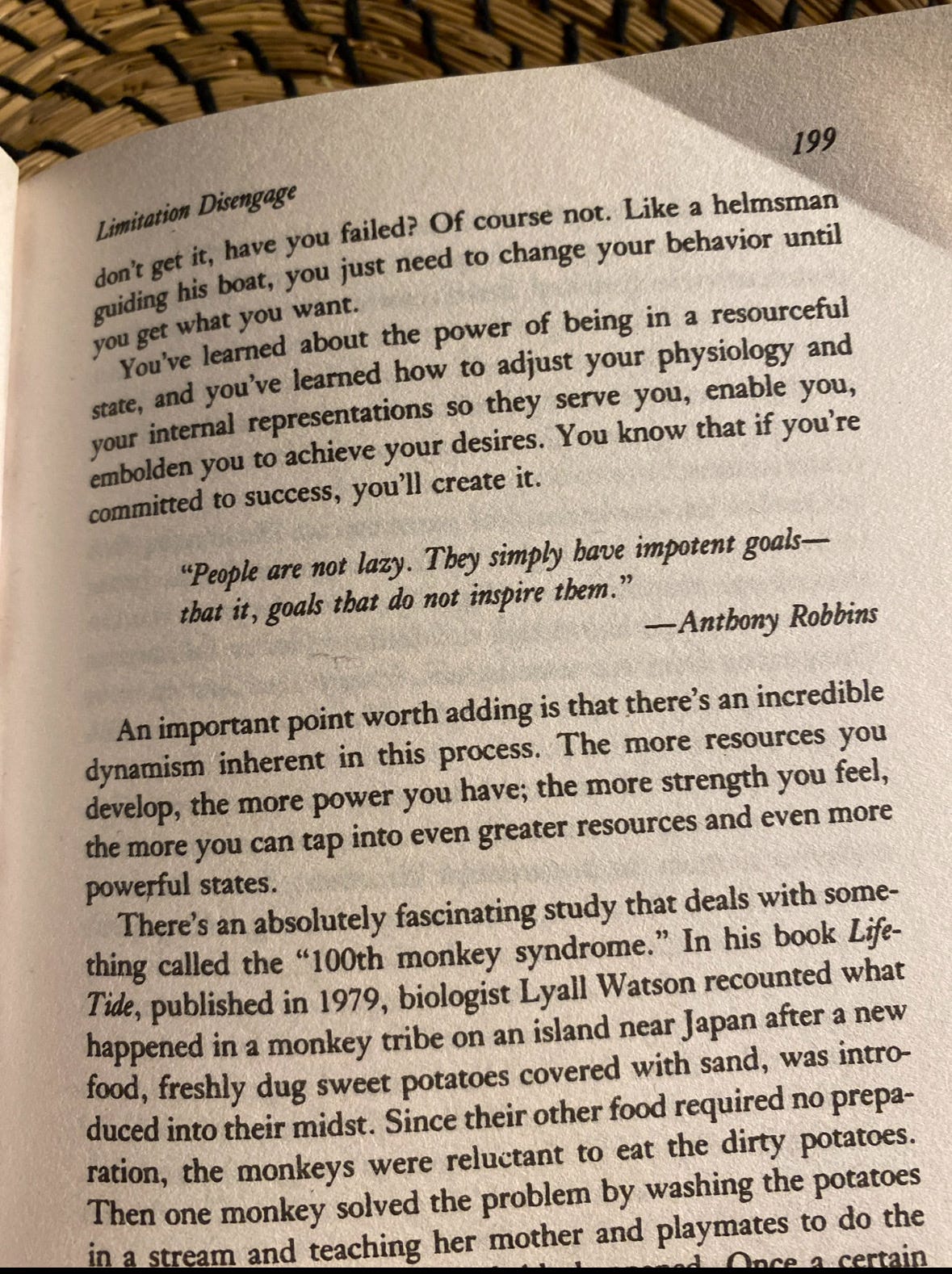
That’s when a line from a book I was reading popped into my head: “People are not lazy. They simply have impotent goals—that is, goals that do not inspire them.”
And it hit me. We weren’t failing because of a lack of effort. We were failing because our goal was "not to drown." We were just trying to survive. That wasn’t inspiring. That didn't ignite a fire in anyone. It was a goal that drained us of energy rather than giving us more.
So I reframed it. The next morning, I gathered the team and ripped up our list of “problems.” We stopped saying, “We’re drowning in backlogs.” Instead, I put a new, more powerful question on the whiteboard:
“How do we clear 80% of our overdue invoices in one week?”
The shift was instant. The team stopped seeing the pile of work as a weight and started seeing it as a challenge. We chunked the work into smaller, manageable batches. We celebrated each cleared batch like a Tour de France victory. The atmosphere shifted from dread to a focused, almost competitive energy. Eight days later, we didn't just hit 80%; we cleared 90% of the backlog.
The real win wasn't the numbers—it was the belief. My team saw that they weren't victims of the workload. They were in control. The goal wasn't just to "survive" the month; it was to dominate it.
3 Power Tools Every Leader Must Master
This small but powerful shift is the difference between a life of reaction and one of creation. You're not failing. You're just a helmsman guiding your boat, and sometimes you need to adjust your course until you get what you want.
And that's the core truth: success is not about what you get, but who you become in the process. You’ve learned the power of being in a resourceful state, and you know how to adjust your body and mind to support your goals. But there’s another layer to this: your goals matter.
1. State Management 🧠 - Your emotional state shapes how you lead. Tension spreads. So does calm confidence.
* Tool: The Anchor. This is a mental and physical cue to trigger a peak-performance state. For example, before a tough meeting, stand tall, press your thumb to your palm, and take a deep breath. Use this consistent action to anchor feelings of clarity and confidence. The more you practice, the faster the recall.
2. Belief Reframing 💡 - Beliefs define what you see as possible. Change the belief, change the outcome.
* Tool: The Flip. Each week, write down one limiting belief and actively flip it.
Weak: “I don’t have enough resources to start.”
Strong: “Constraints force me to innovate and be resourceful.”
Weak: “I’m too new to be taken seriously.”
Strong: “My fresh perspective is my greatest advantage.”
3. Precision Communication 🗣️ - Language is a leader’s steering wheel. Vague words drift. Clear words drive.
* Tool: The Swap. Replace vague requests with laser-clear commands that inspire action.
Weak: “We should try to improve this.” (Fuzzy, no clear action)
Strong: “Let's increase our customer response rate by 15% this quarter using a new template and automated reminders.” (Specific, measurable, and action-oriented)
Mindset Muscles You Must Build
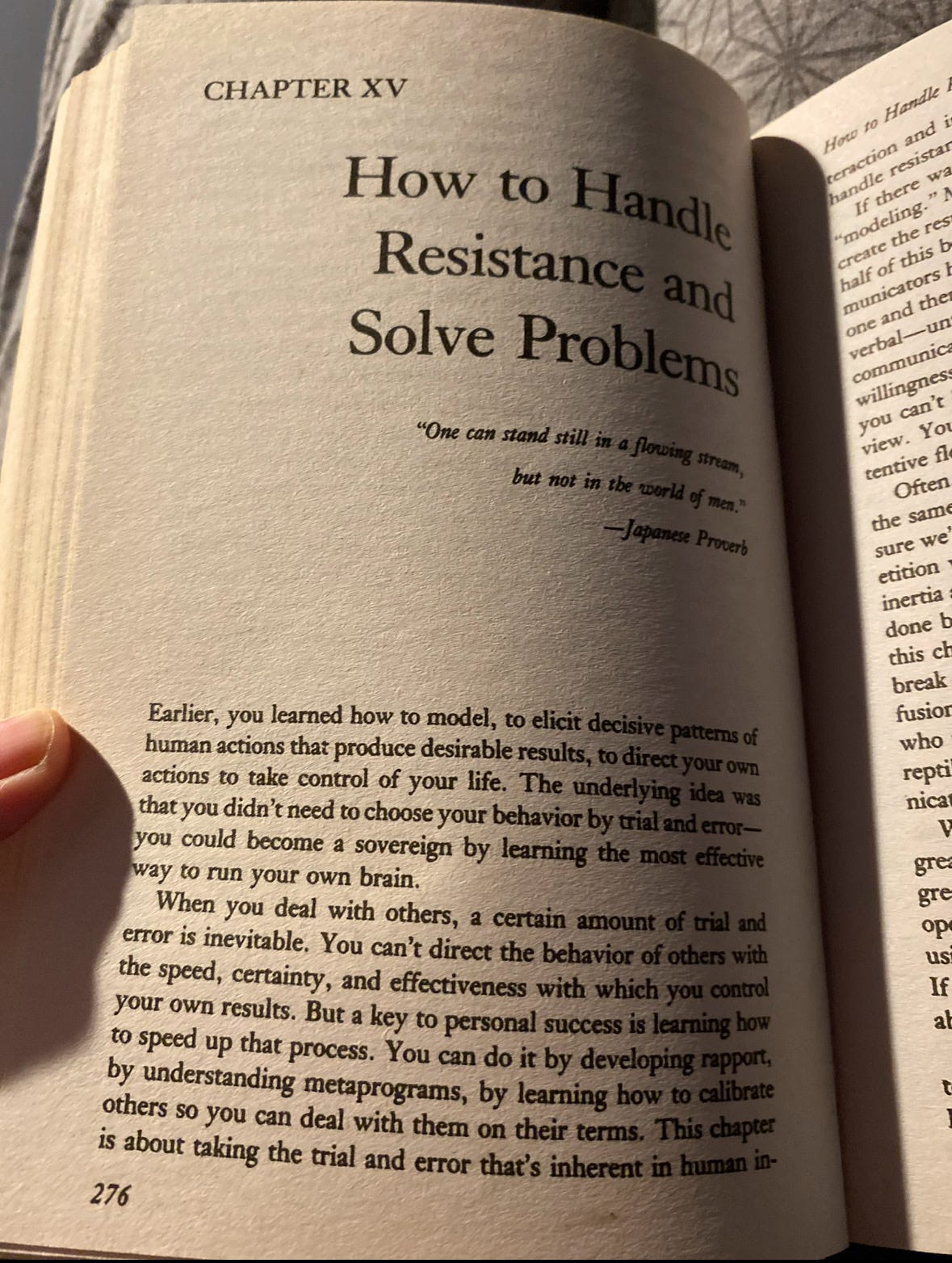
All successful people learn that success is buried on the other side of frustration. Unfortunately, some people don’t get to the other side. They allow frustration to keep them from taking the necessary actions. You get through this roadblock by plowing through frustration, taking each setback as feedback you can learn from, and pushing ahead.
Here's the second key. You must learn how to handle rejection. The biggest challenge for people in our culture is that they can’t handle the word “no.” Think about it: If you knew you couldn’t fail, what would you do? What's keeping you from doing that now? It’s that tiny word “no.” To succeed, you must learn how to cope with rejection and strip it of its power. The best salespeople are those who are rejected the most; they use every “no” as a prod to go onto the next “yes.”
💡Reminder: Your journey is not just your own. Your success is a testament to what is possible. Your progress, no matter how small, has a greater impact than you know.
How to Practice Daily Power:
* Decision Journaling: When you hesitate, ask: What will I gain if I act? What will I lose if I don’t?
* Ownership Mantra: Each morning, repeat: “I decide my actions. I decide my outcomes.”
* Mini-Commitments: One small action daily (e.g., message a prospect, share an idea, make that difficult call).
* Accountability Partner: Find someone who will ask: “What’s the cost if you don’t follow through?”
Final Thought
Leadership strength isn’t forged in comfort—it’s built in how you face pressure, rejection, and uncertainty. When you master your state, your beliefs, and your words, you stop sinking and start steering. And that’s what true influence looks like.
Anna| Stories that lead.

I felt this deeply. There’s something timeless in your way of seeing the world. If you ever want to connect with a community of women who write and think in this same rhythm, gēnu is always open to you. ♡